
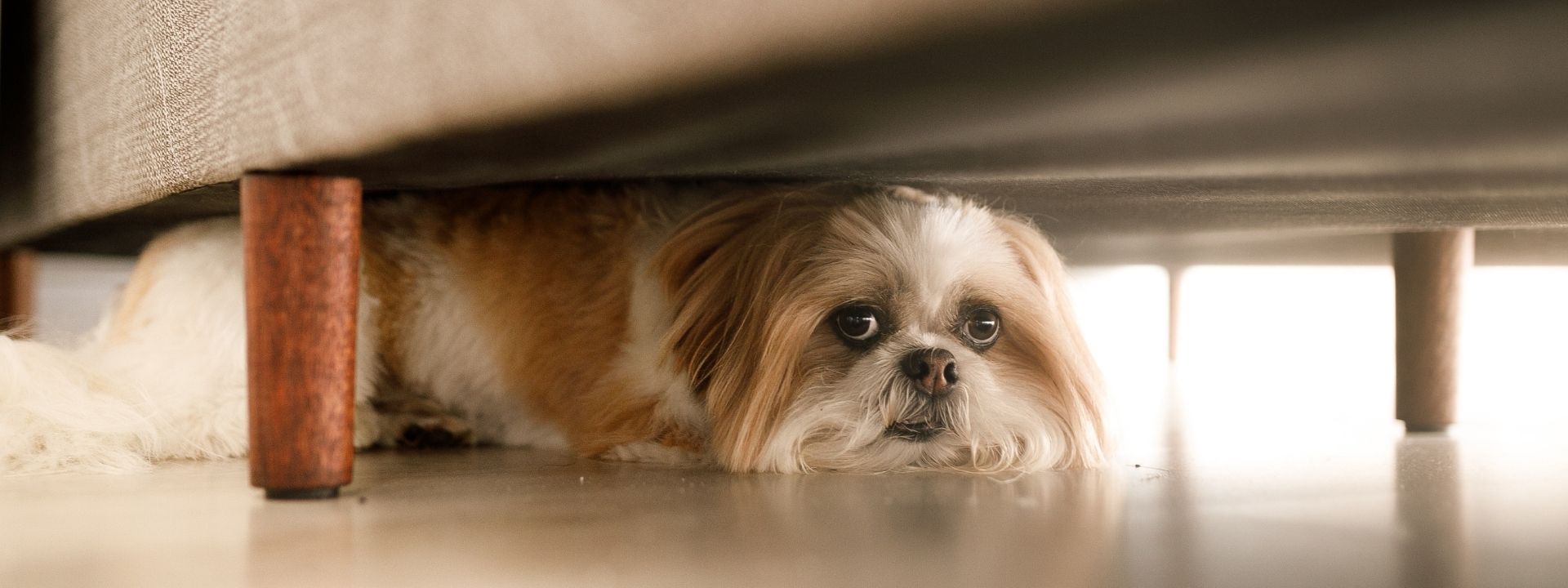
Just like people, pets can experience anxiety. While some dogs and cats are naturally more nervous than others, changes in routine, loud noises, unfamiliar environments, separation from family members, or past experiences can all contribute to stress. Anxiety can affect your pet's quality of life and may even lead to behavioral or physical health issues if left unaddressed.
At The Scottsdale Veterinary Clinic, we understand how challenging it can be to watch a beloved pet struggle with fear or anxiety. The good news is that there are many simple, effective ways to help your pet feel safer and more comfortable at home. By recognizing the signs of anxiety and creating a supportive environment, you can help reduce stress and improve your pet's overall well-being.
Recognizing the Signs of Anxiety in Pets
Anxiety looks different in every pet. Some signs are obvious, while others can be subtle and easy to overlook.
Common signs of anxiety in dogs include:
- Excessive barking or whining
- Pacing or restlessness
- Destructive chewing or digging
- Trembling or shaking
- Hiding from people or other animals
- Excessive licking or grooming
- Accidents in the house
- Loss of appetite
- Clingy behavior or inability to settle
Cats often display anxiety differently. Common signs may include:
- Hiding more than usual
- Changes in litter box habits
- Excessive grooming or hair loss
- Increased vocalization
- Aggression toward people or other pets
- Loss of appetite
- Scratching furniture excessively
- Avoiding interaction
If your pet's behavior changes suddenly or becomes severe, it is important to schedule a veterinary evaluation. Medical conditions can sometimes mimic anxiety symptoms, and identifying the underlying cause is the first step toward helping your pet.
Create a Consistent Daily Routine
Pets thrive on predictability. Knowing when meals, walks, playtime, and bedtime will occur can help reduce uncertainty and create a sense of security.
Try to:
- Feed your pet at the same times each day.
- Maintain a regular exercise schedule.
- Keep bedtime and wake-up routines consistent.
- Introduce changes gradually whenever possible.
This is especially important for pets that experience separation anxiety. Consistency helps them understand what to expect and reduces stress when family members come and go throughout the day.
Provide a Safe Space
Every pet benefits from having a quiet area where they can retreat when they feel overwhelmed.
For dogs, this might be:
- A crate with comfortable bedding
- A designated room
- A cozy corner away from household activity
For cats, consider:
- Elevated perches
- Covered beds
- Quiet rooms with easy access to food, water, and litter boxes
Avoid forcing your pet out of their safe space. Allowing them to retreat when they feel stressed can help them regain confidence and relax more quickly.
Increase Physical Exercise
Exercise is one of the most effective natural stress relievers for pets. Physical activity helps burn excess energy and stimulates the release of feel-good hormones that promote relaxation.
For dogs, consider:
- Daily walks
- Fetch sessions
- Hiking adventures
- Swimming
- Agility activities
Cats also benefit from exercise through:
- Wand toys
- Laser pointers
- Climbing structures
- Interactive play sessions
In Scottsdale, where temperatures can become dangerously hot during much of the year, always schedule outdoor activities during cooler morning or evening hours and ensure your pet has access to fresh water.
Engage Your Pet's Mind
Mental stimulation can be just as important as physical exercise when it comes to reducing anxiety.
Try activities such as:
- Food puzzles
- Treat-dispensing toys
- Training sessions
- Scent games
- Hide-and-seek activities
Teaching new tricks or reinforcing basic obedience commands can build confidence while strengthening the bond between you and your pet.
For cats, puzzle feeders and rotating toys can help prevent boredom and reduce stress-related behaviors.
Use Calming Background Noise
Many pets become anxious during thunderstorms, fireworks, construction projects, or other loud events. Soft background noise can help mask startling sounds and create a more relaxing atmosphere.
Options include:
- Calming music designed for pets
- White noise machines
- Fans
- Televisions playing quietly in the background
Research has shown that certain types of classical music can have a calming effect on both dogs and cats. Experiment with different sounds to see what your pet responds to best.
Practice Positive Reinforcement
When helping an anxious pet, it's important to reward calm behavior rather than punish fearful reactions.
If your pet remains relaxed during a potentially stressful situation:
- Offer treats
- Provide praise
- Engage in gentle play
- Give affection if your pet enjoys it
Punishment can increase fear and worsen anxiety. Instead, focus on helping your pet build positive associations with experiences that previously caused stress.
For example, if your dog is nervous about visitors, reward calm behavior when someone enters the home. Over time, your pet may begin to associate guests with positive experiences rather than fear.
Introduce New Experiences Gradually
Many anxious pets become overwhelmed when exposed to unfamiliar situations too quickly.
Whether you're introducing a new pet, moving to a new home, or exposing your pet to new environments, take things slowly.
Allow your pet to:
- Explore at their own pace
- Observe from a safe distance
- Retreat if they become uncomfortable
Gradual exposure paired with positive reinforcement can help build confidence and reduce fear over time.
Consider Calming Products
A variety of products may help reduce anxiety in some pets.
Examples include:
- Calming pheromone diffusers
- Anxiety wraps
- Calming treats
- Prescription diets designed for stress management
- Veterinary-approved supplements
While these products can be helpful, they are often most effective when used as part of a broader anxiety management plan.
Before starting any supplement or calming product, consult your veterinarian to ensure it is safe and appropriate for your pet.
Manage Separation Anxiety
Separation anxiety is one of the most common behavioral concerns among dogs. Pets with separation anxiety may become distressed when left alone, leading to destructive behavior, vocalization, or accidents.
Helpful strategies include:
- Practicing short departures and returns
- Avoiding overly emotional greetings and goodbyes
- Providing enrichment toys before leaving
- Creating a comfortable resting area
- Ensuring adequate exercise before alone time
In more severe cases, professional behavioral support and veterinary intervention may be necessary.
Know When to Seek Professional Help
While mild anxiety can often be managed with environmental and behavioral changes, some pets require additional support.
Contact your veterinarian if your pet:
- Injures themselves during anxious episodes
- Stops eating
- Experiences severe panic during storms or fireworks
- Becomes aggressive
- Has anxiety that interferes with daily life
- Shows sudden changes in behavior
Veterinarians can help rule out underlying medical conditions and develop a personalized treatment plan. In some cases, behavior modification programs, anti-anxiety medications, or referral to a veterinary behavior specialist may be recommended.
Supporting Your Pet's Emotional Health
Helping an anxious pet takes patience, consistency, and understanding. While there is no one-size-fits-all solution, many pets experience significant improvement when owners focus on creating a stable environment, providing enrichment, and responding to anxiety with compassion.
At The Scottsdale Veterinary Clinic, our team is committed to supporting every aspect of your pet's health, including their emotional well-being. If your dog or cat is showing signs of anxiety, we're here to help identify the cause and develop a plan that helps them feel safer, happier, and more confident.
If you have concerns about your pet's behavior or anxiety levels, schedule an appointment with our team today. Together, we can help your pet live a healthier, more comfortable life.