
Dental disease is one of the most common conditions we treat, and it often develops quietly. By the time symptoms become obvious, the disease may already be advanced. Preventive care makes all the difference.
Why Professional Dental Cleanings Matter
Brushing at home is important, but it is only part of the picture. Professional dental cleanings go far beyond what a toothbrush can accomplish.
Removing Tartar and Hidden Disease
Even with consistent brushing, plaque hardens into tartar over time. Tartar builds up below the gumline where it cannot be seen.
This can lead to:
- Painful inflammation
- Gum infection
- Bone loss around the teeth
- Tooth loss
During a professional dental cleaning, our veterinary team removes tartar above and below the gumline and carefully evaluates each tooth for signs of damage or disease. Dental X-rays may also be recommended to detect problems that are not visible during a surface exam.
Oral Health Affects the Entire Body
Dental disease does not stay in the mouth. Bacteria from infected gums can enter the bloodstream and impact major organs such as the heart, liver, and kidneys.
Left untreated, dental disease can cause chronic pain and contribute to serious systemic illness. The good news is that preventive dental care significantly reduces these risks and supports your pet’s long-term health.
At The Scottsdale Veterinary Clinic, we approach dental care as an essential part of your pet’s overall wellness plan, not an optional add-on.
Warning Signs of Dental Disease
Many pets continue eating and acting normally even when they are experiencing oral pain.
That is why it is important to watch for subtle signs, including:
- Persistent bad breath
- Red, swollen, or bleeding gums
- Loose, missing, or discolored teeth
- Dropping food while eating
- Difficulty chewing
- Pawing at the mouth
If you notice any of these symptoms, schedule an exam. Early intervention can prevent more advanced and costly procedures later.
Beyond Brushing: Supporting Dental Health at Home
Home care plays an important supporting role between professional cleanings.
Dental Chews and Treats
Vet-approved dental chews and toys can help reduce plaque buildup while keeping your dog engaged. They are a helpful supplement to brushing but should not replace professional dental care.
Consistency Is Key
Routine is everything when it comes to oral hygiene. Even brushing a few times per week can make a measurable difference in plaque control.
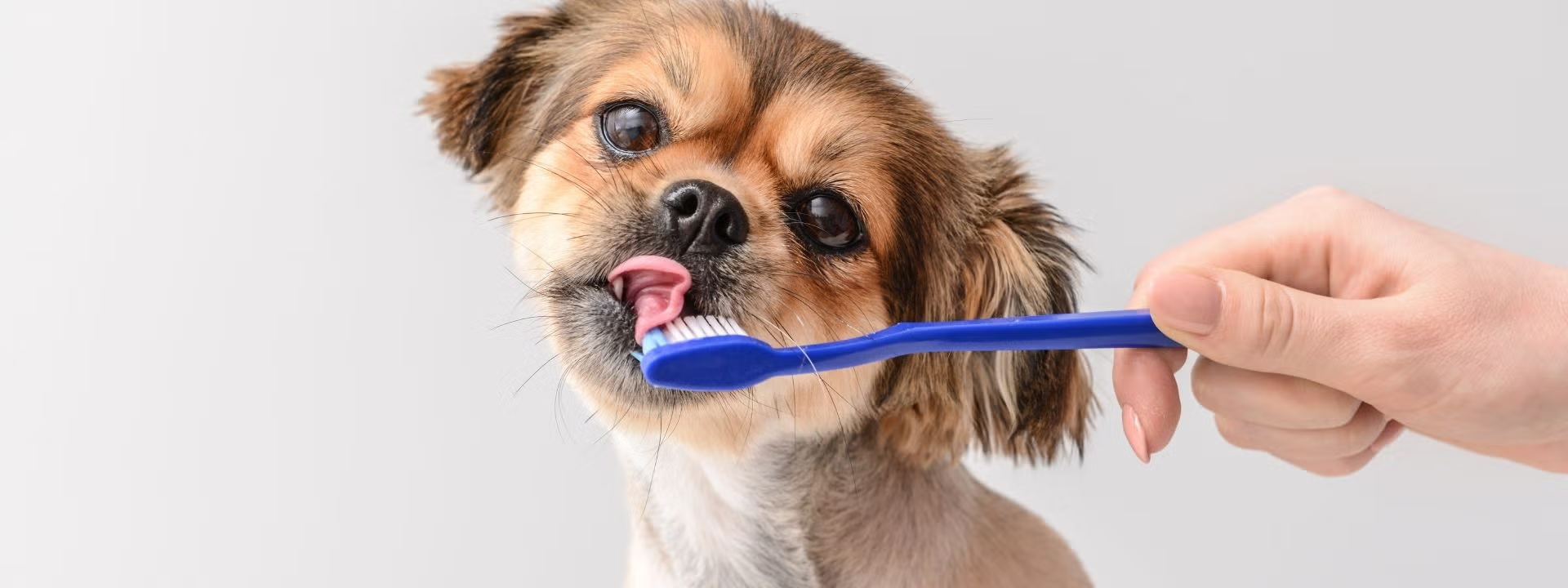
3 Steps to Start Brushing Your Pet’s Teeth
If you are new to brushing your pet’s teeth, start simple and build gradually.
- Start Slow
Keep sessions short and positive. Let your pet get used to having their mouth handled before introducing a toothbrush. Praise and rewards help create a positive association.
- Use the Right Tools
Use a pet-specific toothbrush or finger brush and pet toothpaste only. Human toothpaste is not safe for pets.
Brush at a slight angle along the gumline using small circular motions. Focus on the outer surfaces of the teeth where plaque tends to accumulate most.
- Build the Habit
Aim for brushing several times per week. Consistency matters more than perfection. Reward your pet after each session to reinforce the routine.
Why Timing Matters
Dental disease progresses over time. What starts as mild plaque can turn into advanced periodontal disease if left untreated.
Scheduling regular cleanings helps us:
- Catch issues early
- Reduce the need for extractions
- Minimize anesthesia time
- Keep your pet comfortable
Taking action now can prevent more extensive procedures in the future.
At The Scottsdale Veterinary Clinic, we are committed to providing compassionate, high-quality dental care tailored to your pet’s needs.
Call our team today to schedule your pet’s dental cleaning.
A healthy smile supports a healthier life.