
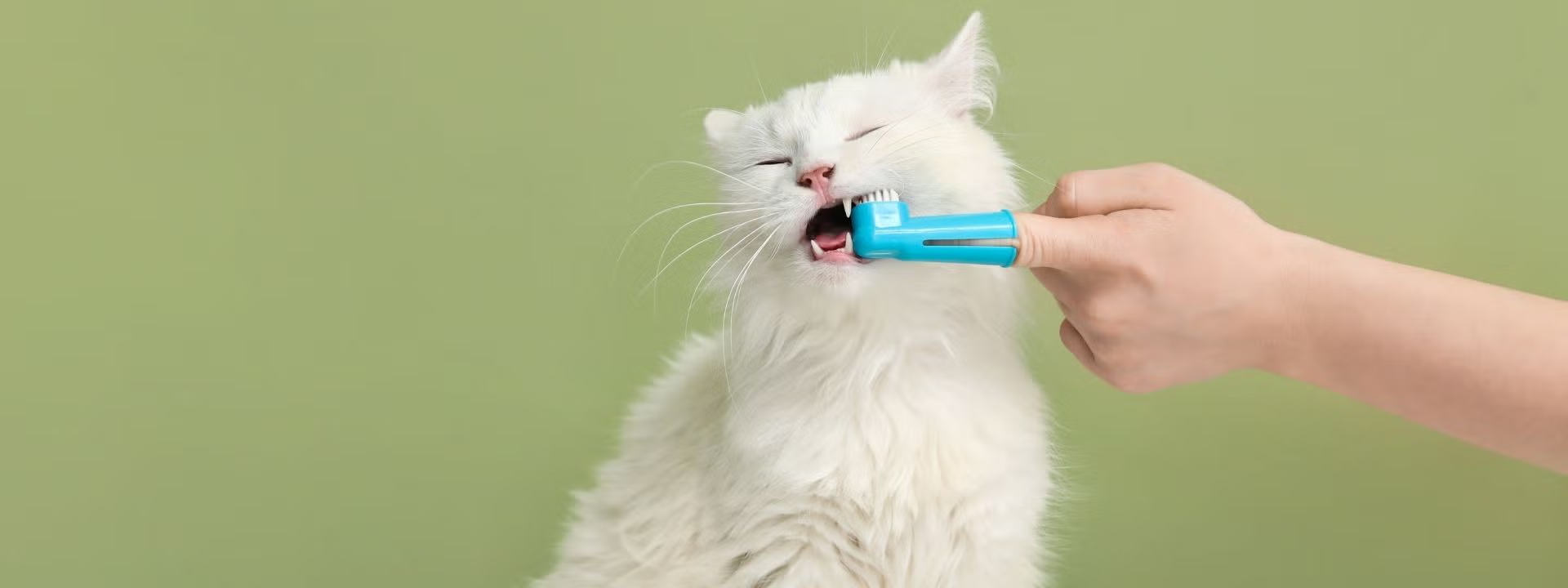
A healthy mouth is essential to your pet’s overall comfort and well being. Dental disease is one of the most common medical conditions we see at The Scottsdale Veterinary Clinic, and it often begins quietly. By the time bad breath, red gums, or difficulty eating appear, dental disease is usually already advanced.
Some dog breeds are naturally more prone to dental problems due to the structure of their mouths. Cats are also at significant risk for painful dental conditions that are easy to miss. Understanding these risks and taking simple preventive steps at home can make a meaningful difference in your pet’s long term health.
Dog Breeds with a Higher Risk for Dental Disease
While all dogs can develop dental disease, small and toy breeds are especially vulnerable. Their compact jaws often cause teeth to crowd together, creating the perfect environment for plaque and tartar to accumulate.
Chihuahuas
- Chihuahuas frequently experience heavy tartar accumulation and gum inflammation. Their tiny jaw structure allows plaque to develop quickly, often leading to tooth loss if dental care is not consistent.
Dachshunds
- Dachshunds have narrow jaws with tightly packed teeth. This makes it easy for plaque to hide between teeth and along the gumline. Many Dachshunds show early tartar buildup and gingivitis if brushing is not consistent.
Greyhound
- Greyhounds are one of the most well documented large breeds for severe dental disease. They tend to accumulate heavy tartar quickly and often develop gum recession at a young age. Many Greyhounds require frequent professional cleanings throughout their lives.
Labrador Retriever
- Labradors love to chew. Unfortunately, they often choose very hard objects such as rocks, antlers, or bones. This can lead to worn teeth, fractures, and painful exposed nerves rather than classic tartar buildup.
Cat Dental Health Risks
Cats are masters at hiding discomfort, which means dental disease often goes unnoticed until it becomes severe. By three to five years of age, many cats already show signs of dental problems.
Some of the most common feline dental conditions include:
Gingivitis and Stomatitis
- Inflammation of the gums that can spread to the soft tissues of the mouth. This condition is painful and may make eating difficult.
Tooth Resorption
- A condition unique to cats where the tooth begins to break down from the inside. It is extremely painful and often requires extraction.
Periodontal Disease
- Just like in dogs, plaque hardens into tartar and begins affecting the gums and bone that support the teeth.
- Signs your cat may have dental disease include bad breath, drooling, dropping food while eating, pawing at the mouth, red gums, or changes in appetite.
Tips to Support Your Pet’s Dental Health at Home
Preventive care at home, combined with regular veterinary exams, is the best way to protect your pet’s teeth and gums.
Daily Brushing
- Brushing your pet’s teeth with pet safe toothpaste is the most effective way to reduce plaque. Start slowly and build a routine your pet can tolerate.
Dental Chews and Treats
- Choose products approved by your vet. These treats are designed to help reduce plaque as your pet chews.
Dental-Friendly Diets
- Some diets and kibble textures are formulated to help mechanically clean the teeth during meals.
Routine Veterinary Exams
- Regular dental evaluations allow early detection of problems before they become painful or expensive to treat.
Professional Dental Cleanings
- Even with excellent home care, professional dental cleanings are necessary to remove tartar below the gumline where toothbrushes cannot reach.
Protecting Your Pet’s Smile
Dental disease can lead to pain, infection, tooth loss, and can even affect the heart, liver, and kidneys if left untreated. Recognizing breed risks, understanding feline dental concerns, and committing to preventive care can significantly improve your pet’s quality of life.
If you have questions about your dog or cat’s dental health or would like to schedule a dental exam, the team at The Scottsdale Veterinary Clinic is here to help you keep your pet’s smile healthy for years to come