
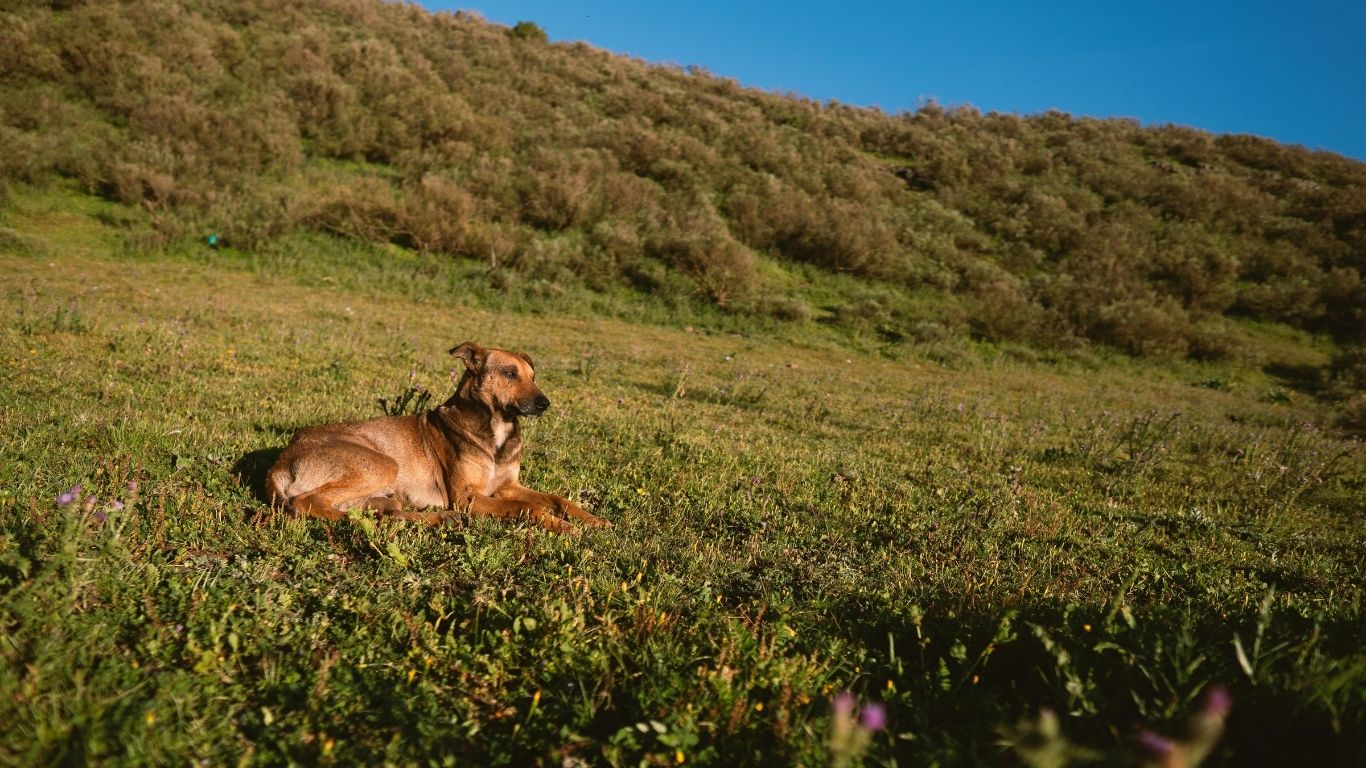
Fall in Scottsdale does not arrive with frosty mornings and piles of leaves. For local pets, the season is more subtle. Daytime temperatures may stay warm well into autumn, evenings become more comfortable, families spend more time outdoors, and dogs that spent much of the summer avoiding the midday heat suddenly have more opportunities for walks, hikes, patios, parks, and travel. Those changes are welcome, but they can also shift a pet’s health needs.
The Scottsdale Veterinary Clinic encourages pet owners to think of fall as a transition rather than a finish line. Summer heat may be easing, but parasite exposure, allergies, weight changes, paw irritation, dehydration, and other concerns do not disappear because the calendar says October. A few adjustments can help dogs and cats enjoy the season safely.
Does My Pet’s Health Care Routine Need to Change During the Fall?
Most pets do not need an entirely new health routine every season, but fall is a good time to reassess what has changed. In Scottsdale, one of the biggest differences is often activity. A dog that only tolerated short summer walks may suddenly be ready to stay outside much longer. That does not mean fitness instantly returns with cooler weather.
Increase exercise gradually, especially for:
- Senior dogs
- Overweight pets
- Flat-faced breeds
- Pets with arthritis
- Animals that were relatively inactive during the hottest months
Longer walks can be wonderful, but jumping from ten-minute outings to hour-long hikes can leave an out-of-shape pet sore or exhausted.
Continue paying attention to hydration as well. Arizona afternoons can remain hot even when mornings feel pleasant. Bring water on longer outings and do not assume heat-related risks are over for the year.
Fall is also a practical time to:
- Review medications
- Refill preventives
- Check nails and paw pads
- Make sure vaccines are current before holiday boarding, travel, grooming appointments, or increased social activity
Are Fleas, Ticks, and Other Parasites Still a Concern in the Fall?
Yes. One of the easiest seasonal mistakes is stopping parasite prevention as soon as summer ends. Fleas, ticks, mosquitoes, and intestinal parasites do not follow a neat calendar, particularly in a warm climate such as Scottsdale.
Pets may actually spend more time outside in fall because the weather becomes easier to tolerate. More walks, dog park visits, hikes, yard time, and encounters with other animals can create additional opportunities for parasite exposure. Fleas can also find their way indoors and continue reproducing in protected environments.
Check your dog after outdoor adventures, especially:
- Around the ears
- Neck
- Between the toes
- Under the collar
- Other areas where ticks may be difficult to spot
Watch cats for:
- Excessive grooming
- Scratching
- Small scabs
- Skin irritation
Keep yards clean and promptly pick up pet waste to help reduce exposure to certain intestinal parasites.
The best prevention schedule depends on your pet’s lifestyle and health history. Rather than automatically discontinuing a product because temperatures have dropped, ask your veterinarian what makes sense for your dog or cat.
Can Pets Experience Seasonal Allergies in the Fall?
They can. People often associate allergies with spring, but dogs and cats may react to environmental triggers at different points throughout the year. Fall weeds, grasses, dust, molds, and other airborne irritants can contribute to itchy skin and uncomfortable ears.
Pet allergies do not always look like human allergies. Instead of sneezing all day, a dog may:
- Lick the paws
- Rub the face on furniture
- Scratch the belly
- Develop red skin
- Experience recurring ear infections
Cats may:
- Groom excessively
- Develop irritated skin
- Create thinning patches in their coat
If itching begins around the same time each year, keep track of when symptoms appear and what areas of the body are affected. That pattern can be useful during a veterinary visit.
Bathing or wiping paws after outdoor time may help remove environmental material from the skin, but persistent itching deserves attention. Repeated scratching can damage the skin barrier and allow secondary infections to develop. Treating the underlying problem early is usually much easier than waiting until a pet is miserable.
How Can Cooler and Warm Weather Affect My Pet’s Activity Level and Weight?
Scottsdale fall weather can create a funny combination: cool mornings, warm afternoons, and pets suddenly convinced that every walk should be twice as long.
Increased activity can be beneficial for:
- Weight management
- Joint mobility
- Mental stimulation
- Cardiovascular health
The opposite can happen too. Holiday schedules become busy, daylight changes, treats appear more often, and normal routines get disrupted. Some pets exercise more while others quietly gain weight.
Pay attention to body condition rather than relying only on the number on the scale. You should generally be able to feel your pet’s ribs without pressing through a thick layer of fat, and there should be a visible waist when viewed from above. If those landmarks become harder to find, portion sizes may need an adjustment.
Avoid automatically adding more food because your pet is more active outdoors. A few extra treats every day can quickly erase the calorie benefit of a longer walk, particularly for small dogs and indoor cats.
Why Is a Wellness Exam Important During Seasonal Transitions?
A seasonal transition is a useful checkpoint because subtle problems are easier to address before they become major ones.
During a wellness exam, your veterinarian can evaluate:
- Weight
- Skin
- Ears
- Teeth
- Heart
- Lungs
- Joints
- Overall body condition
While discussing any changes you have noticed at home.
For older pets, fall may reveal stiffness that was less obvious during the slower summer months. Increased exercise can expose mobility problems, while allergy symptoms may point to skin or ear disease. Weight changes can also signal that feeding and activity no longer match a pet’s needs.
Preventive visits provide an opportunity to discuss:
- Parasite protection
- Vaccines
- Nutrition
- Dental care
- Laboratory screening
- Medications based on your pet’s age and lifestyle
They also establish a current health baseline before the busy holiday season.
Enjoy Fall in Scottsdale Without Dropping the Summer Safeguards
Autumn is one of the best times to get outside with a pet in Scottsdale. The key is remembering that comfortable weather does not eliminate health risks. Keep parasite prevention on your radar, watch for allergy symptoms, build exercise gradually, monitor weight, and continue taking warm afternoons seriously.
If your dog or cat is due for a checkup or you have noticed new itching, weight changes, reduced stamina, stiffness, or another concern, schedule a visit with The Scottsdale Veterinary Clinic. A little seasonal maintenance can help keep fall adventures focused on the fun parts.