
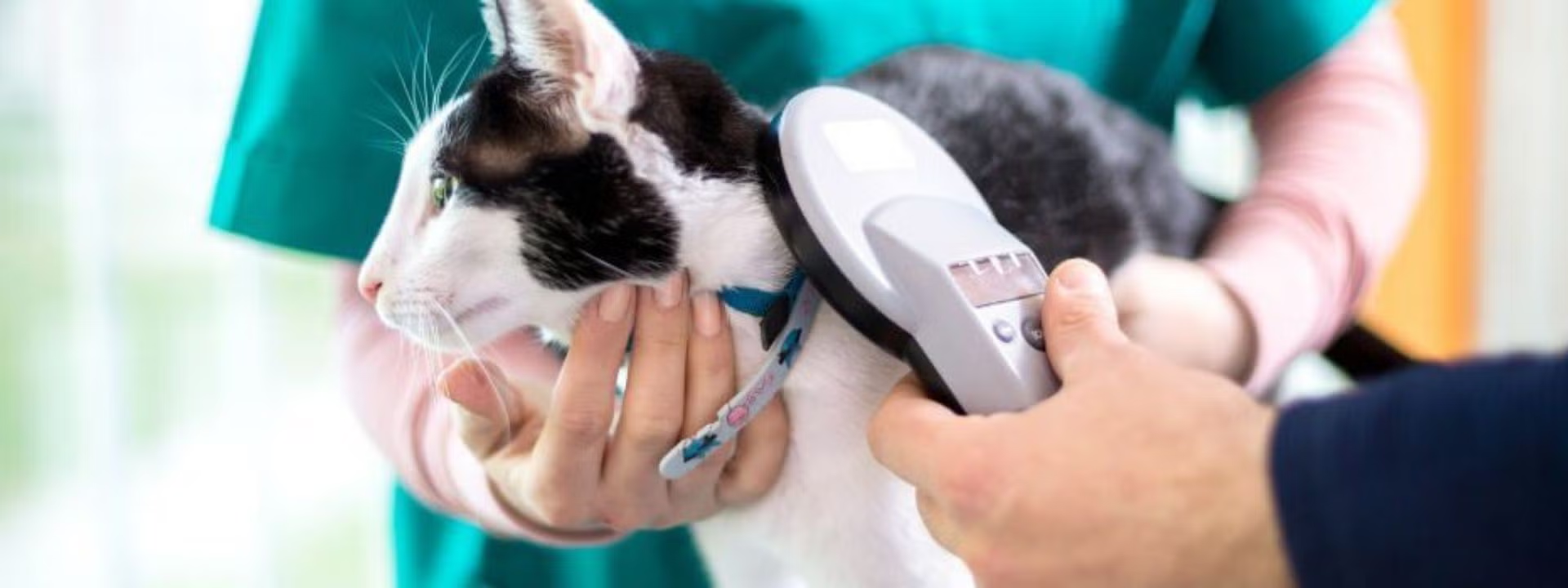
When you bring home a new puppy or kitten, life quickly fills with tiny pawprints, curious noses, and a long list of important firsts. Among vaccinations, nutrition, and training, one small step often carries lifelong impact: microchipping. At The Scottsdale Veterinary Clinic, we encourage pet owners to think of microchipping not as an optional add-on, but as a foundational layer of protection that stays with your pet forever.
So when is the right time to microchip your puppy or kitten?
The short answer is early, safe, and sooner than most people expect.
Puppies and kittens can be microchipped as young as six to eight weeks of age. This timing often aligns with their first veterinary visits and initial vaccination series, making it a convenient and low-stress opportunity to add permanent identification. Because the procedure is quick and similar to a routine injection, young pets typically tolerate it very well.
Microchipping at an early age ensures your pet is protected from the moment they begin exploring the world. Even indoor pets are not immune to the unexpected. Doors get left open, carriers slip, and curious animals can find their way into unfamiliar places faster than you might think. A microchip acts like a silent safety net, always in place no matter what happens.
What exactly is a microchip?
A microchip is a tiny device, about the size of a grain of rice, that is placed just under your pet’s skin between the shoulder blades. It contains a unique identification number that can be read with a handheld scanner. When a lost pet is brought into a veterinary clinic or shelter, that number connects to a database with your contact information, allowing for a quick reunion.
Unlike collars and tags, which can break, slip off, or become unreadable over time, a microchip is permanent. It does not rely on visibility or maintenance to function, making it one of the most reliable forms of identification available.
Many pet owners ask whether microchipping is painful or risky. The procedure is very safe and causes only brief discomfort, similar to a vaccine. In fact, many clinics choose to place the microchip during a routine exam or at the time of spay or neuter surgery, when pets are already under care. Once placed, the chip requires no batteries, no charging, and no ongoing maintenance.
When timing matters most
Timing can also depend on your pet’s lifestyle and risk level. If your puppy is beginning socialization classes, visiting parks, or spending time in new environments, earlier microchipping is strongly recommended. For kittens, especially those in multi-pet households or homes with frequent visitors, the same logic applies. The more exposure your pet has to the outside world, the more important it becomes to have permanent identification in place.
Registration keeps the chip working
It is also important to remember that a microchip is only as effective as the information attached to it. After your pet is microchipped, registration is essential. This means linking the chip number to your current phone number, address, and email. If your contact information changes, updating the registry ensures the system continues to work when it matters most.
A simple step that lasts a lifetime
At The Scottsdale Veterinary Clinic, microchipping is a simple step that delivers lasting peace of mind. It complements everything else you do to protect your pet, from regular wellness visits to preventative care. While no one likes to imagine their pet getting lost, preparation is one of the most powerful ways to keep them safe.
In the end, microchipping is about more than technology. It is about connection. It is a quiet promise that no matter how far your pet may wander, there is always a path back home.