
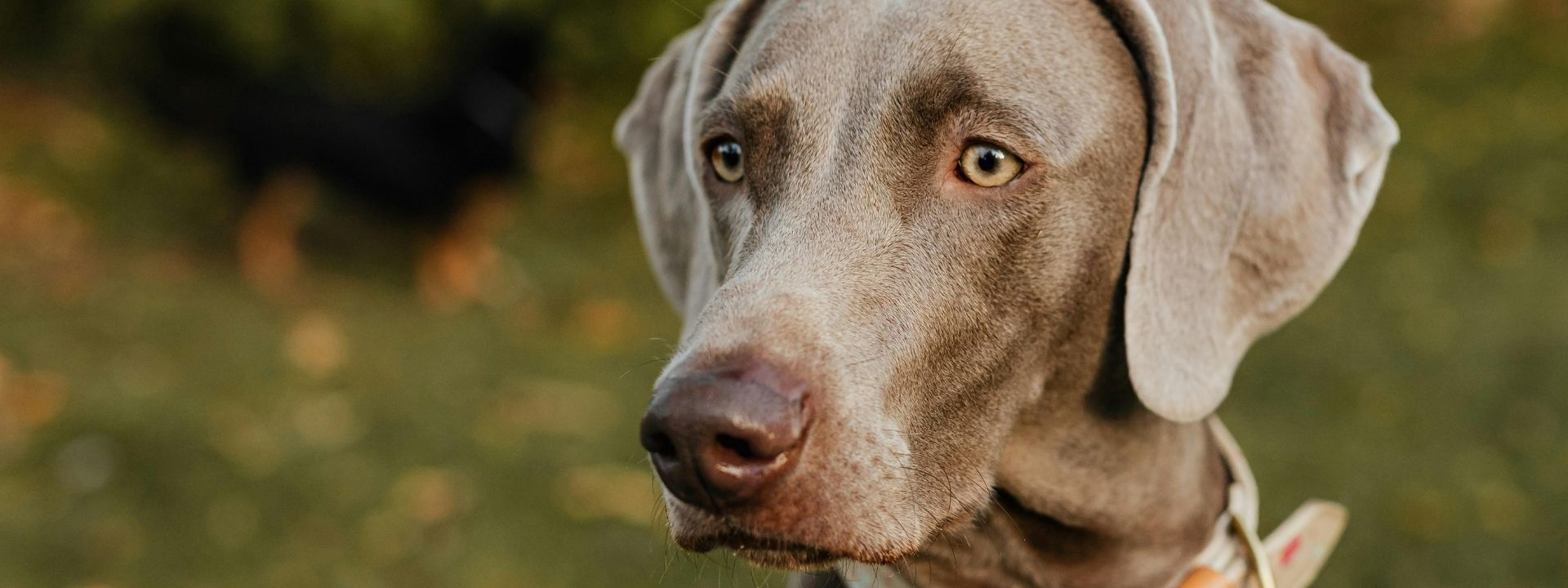
Summer in Arizona means longer days, family vacations, backyard gatherings, and holiday celebrations. It also brings two things many pets dread: fireworks and monsoon storms. While people may look forward to Fourth of July festivities or enjoy watching lightning dance across the desert sky, many dogs and cats experience these events with intense fear and anxiety.
At The Scottsdale Veterinary Clinic, we understand how stressful this season can be for both pets and their owners. Every year, veterinary hospitals and animal shelters see an increase in missing pets and anxiety-related emergencies following fireworks displays and severe storms. Fortunately, a little preparation can go a long way in helping your pet feel secure when loud noises arrive.
Why Loud Noises Cause So Much Fear
Dogs and cats experience sound much differently than people. Their hearing is significantly more sensitive, allowing them to detect noises at greater distances and higher frequencies. What sounds like a loud boom to us may be overwhelming to your pet.
Fireworks are especially frightening because they combine several startling elements at once. Bright flashes, loud explosions, unfamiliar smells, and unpredictable timing create an environment that feels unsafe. Monsoon storms can produce a similar effect with thunder, strong winds, heavy rain, and sudden changes in air pressure.
Because pets don't understand what is causing these sounds, their natural instinct is often to hide or escape.
How Anxiety May Look Different in Every Pet
Not every anxious pet reacts the same way. Some become vocal and restless, while others withdraw completely.
Signs of anxiety can include:
- Pacing around the house
- Excessive panting
- Trembling or shaking
- Hiding under furniture or in closets
- Barking, whining, or meowing more than usual
- Drooling
- Refusing treats or meals
- Clinging closely to family members
- Scratching at doors or windows
- Attempting to run away
Cats often display anxiety more subtly. They may disappear into hiding places, stop eating, groom excessively, or become unusually aggressive when approached.
Learning your pet's stress signals allows you to step in before anxiety becomes overwhelming.
Prepare Before the First Firework
One of the biggest mistakes pet owners make is waiting until the fireworks have already started before trying to help their pet.
Instead, begin preparing earlier in the day.
Take your dog for a long walk or play session before evening celebrations begin. Physical activity helps burn excess energy and may encourage relaxation later.
Feed dinner before the noise starts, and make sure bathroom breaks happen early while the neighborhood is still relatively quiet.
Once your pet is indoors, keep them inside for the remainder of the evening.
Build a Quiet Retreat
Creating a safe space gives your pet somewhere they can retreat when they become frightened.
Choose an interior room away from windows whenever possible. Bedrooms, laundry rooms, walk-in closets, or bathrooms often provide the best insulation from outside noise.
Fill the area with familiar comforts such as:
- Favorite blankets
- Comfortable bedding
- Water
- Familiar toys
- Treats or long-lasting chews
Some dogs feel safest inside an open crate if they have already been crate trained. Cats often prefer enclosed hiding spots where they feel protected.
Allow your pet to choose whether they want to remain with you or relax in their quiet space.
Reduce the Sights and Sounds
While you cannot eliminate fireworks or thunder, you can reduce their impact inside your home.
Close blinds and curtains before dark to block bright flashes of light.
Turn on ceiling fans, televisions, calming music, or white noise machines to soften outside sounds. Continuous background noise often makes sudden explosions seem less dramatic.
If possible, avoid leaving your pet alone during major fireworks displays if you already know they become anxious.
Stay Calm Yourself
Pets are incredibly observant. They often take emotional cues from the people around them.
If you become anxious every time thunder strikes or fireworks begin, your pet may interpret your behavior as confirmation that something is wrong.
Instead, continue your normal routine as much as possible.
Speak softly, move calmly throughout the house, and offer reassurance if your pet seeks comfort.
Many owners worry they'll "reward" fearful behavior by comforting their pets. In reality, providing calm support does not create anxiety. Your presence can actually help your pet feel more secure.
Keep Identification Current
One of the busiest times of year for animal shelters is immediately following Independence Day.
Even pets that have never attempted to escape before may panic during fireworks and bolt through an open door or jump a fence.
Before summer celebrations begin:
- Make sure your pet's collar fits properly.
- Confirm ID tags are readable.
- Verify your microchip registration contains your current phone number and address.
- Keep recent photos of your pet available.
A microchip provides permanent identification if your pet is found without a collar.
Calming Products May Help
Some pets benefit from additional calming support during stressful events.
Depending on your pet's personality, your veterinarian may recommend products such as:
- Calming pheromone diffusers
- Anxiety wraps that provide gentle pressure
- Veterinary-approved calming supplements
- Food puzzle toys to redirect attention
- Prescription medications for severe anxiety
These options work best when discussed with your veterinarian before fireworks season begins rather than after your pet is already experiencing panic.
Arizona's Monsoon Season Brings Additional Challenges
While fireworks are predictable, monsoon storms can arrive with very little warning.
Strong winds, blowing dust, thunder, and sudden lightning create multiple sources of stress for sensitive pets.
Keep an eye on weather forecasts during monsoon season, especially if your pet has previously shown signs of storm anxiety.
Bringing outdoor pets inside before storms arrive gives them time to settle before the loudest weather begins.
Helping Puppies Build Confidence
Young puppies experience many "firsts" during their first year of life.
Positive exposure to everyday household sounds can help them develop confidence as they mature.
While fireworks should never be forced upon a puppy, providing positive experiences with lower-level noises, rewarding calm behavior, and maintaining predictable routines may reduce fear later in life.
If your puppy shows signs of severe anxiety despite gradual exposure, speak with your veterinarian about early intervention.
When Anxiety Becomes More Than Seasonal
Some pets recover quickly after a loud event ends. Others continue showing signs of stress for hours or even days.
Schedule a veterinary visit if your pet:
- Injures themselves while trying to escape
- Stops eating
- Experiences repeated panic attacks
- Shows worsening anxiety each year
- Cannot settle even after the noise stops
There are many safe, effective treatment options available, and no pet should have to suffer through overwhelming fear every summer.
Helping Scottsdale Pets Enjoy a Safer Summer
Every dog and cat deserves to feel safe at home, even during the busiest celebrations of the season. Whether your pet needs simple environmental changes or a customized anxiety management plan, taking action before fireworks and storms begin can dramatically reduce their stress.
At The Scottsdale Veterinary Clinic, we're committed to helping pets throughout Scottsdale stay healthy, comfortable, and protected all year long. If your companion struggles with fireworks, thunder, or other loud noises, our experienced veterinary team can help identify the best solutions for their unique needs.
With thoughtful preparation, compassionate care, and the right support, you can help your pet spend less time hiding from summer's loudest moments and more time enjoying life with the family they love.