
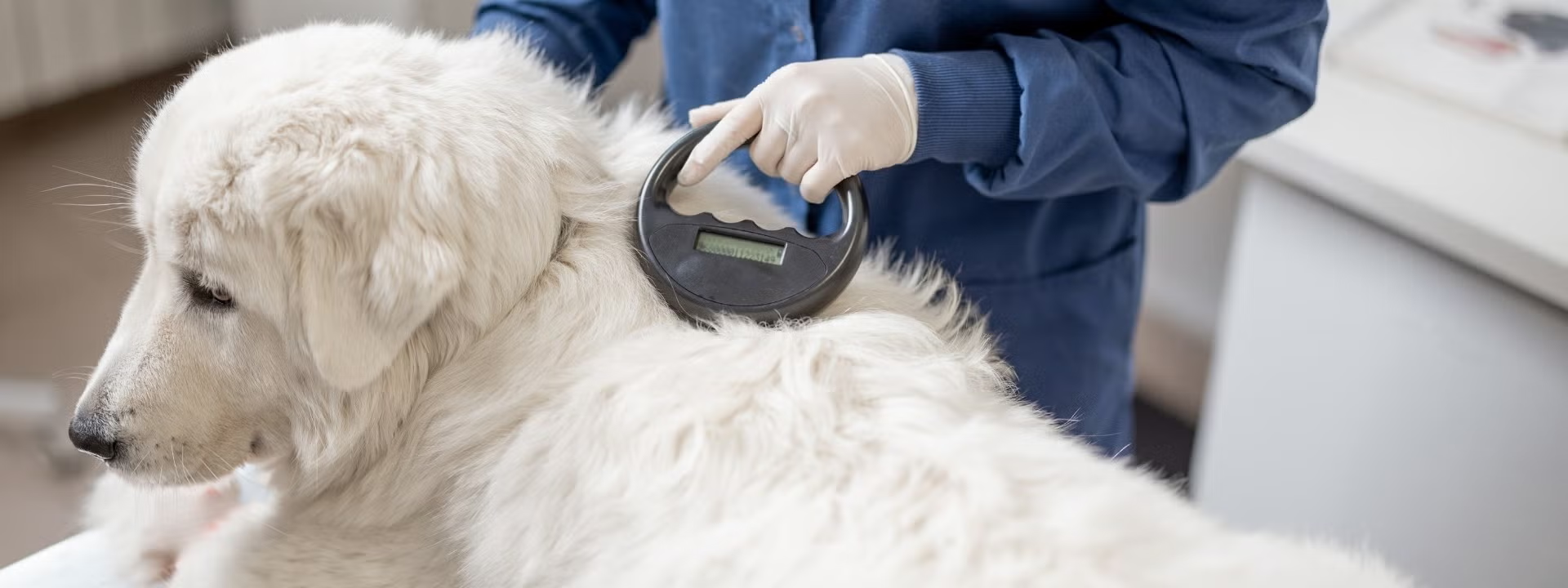
Microchipping is one of the simplest and most effective ways to protect your pet, yet many pet owners still have questions about what actually happens during the appointment. At The Scottsdale Veterinary Clinic, we believe in making every visit comfortable, transparent, and stress-free for both you and your pet. Whether you’re microchipping a new puppy, kitten, or an adult pet, understanding the process can help you feel confident and prepared.
What Is a Pet Microchip?
A pet microchip is a small electronic device, about the size of a grain of rice, that is implanted just under your pet’s skin. Each microchip contains a unique identification number that is linked to your contact information in a secure database.
Unlike GPS trackers, microchips do not actively track your pet’s location. Instead, they serve as a permanent form of identification. When a lost pet is brought to a veterinary clinic or animal shelter, a scanner is used to detect the microchip and retrieve the ID number. This number is then used to access your contact information and reunite you with your pet.
For pet owners in Scottsdale, where outdoor activity and travel are common, microchipping adds an extra layer of protection. Collars and tags can fall off, but a microchip remains in place for life.
How Is the Microchip Placed in My Pet?
The microchipping process is quick, straightforward, and typically completed during a routine appointment.
Here’s what you can expect:
-
Initial Exam Your veterinarian will begin with a brief physical exam to ensure your pet is healthy and ready for the procedure. This is also a great time to ask any questions you may have.
-
Preparing the Microchip The microchip comes preloaded in a sterile, single-use applicator. Each chip is already assigned a unique identification number.
-
Implantation The microchip is inserted just beneath the skin, typically between the shoulder blades. The process is very similar to administering a vaccine. The veterinarian or technician gently lifts the skin and inserts the microchip using a specialized needle.
-
Verification Scan After placement, the microchip is scanned to confirm it is functioning properly and that the ID number can be read clearly.
The entire procedure usually takes only a few minutes and does not require anesthesia.
Does Microchipping Hurt My Pet?
One of the most common concerns pet owners have is whether microchipping is painful. The good news is that most pets tolerate the procedure very well.
The sensation is similar to receiving a routine vaccination. Some pets may feel a brief pinch or momentary discomfort during insertion, but this typically passes quickly. Many pets show little to no reaction at all.
At The Scottsdale Veterinary Clinic, our team focuses on gentle handling techniques to ensure your pet remains calm and comfortable throughout the process. For especially anxious pets, we can offer additional support and guidance to make the experience as smooth as possible.
What Happens After the Microchip Is Implanted?
Once the microchip is successfully placed, there are a few important steps that follow:
Registration of the Microchip
The microchip itself only contains an ID number, it does not store your personal information. After the appointment, that number must be registered in a national pet recovery database with your name, phone number, and address.
Many microchip manufacturers provide instructions for registration, and our team can assist you with this step to ensure everything is completed correctly.
Confirmation and Documentation
You will receive documentation that includes your pet’s microchip number and registration details. It’s a good idea to keep this information in a safe place.
Routine Scanning
During future veterinary visits, your pet’s microchip can be scanned to confirm it is still in place and functioning properly. This is a quick and simple check that provides peace of mind.
Do I Need to Do Anything After My Pet Is Microchipped?
While the procedure itself is simple, there are a few important responsibilities for pet owners after microchipping:
-
Register the Microchip Immediately If registration is not completed, the microchip cannot be used to contact you if your pet is found. This is the most critical step.
-
Keep Your Contact Information Updated If you move, change phone numbers, or update your email address, be sure to update your pet’s microchip registration. An outdated profile can delay or prevent a successful reunion.
-
Monitor the Implant Site In most cases, no special aftercare is needed. However, you can briefly check the area where the microchip was placed for any signs of swelling or irritation. These are rare but should be reported if they occur.
-
Maintain Visible Identification Microchipping should be used alongside a collar and ID tag, not as a replacement. Visible identification allows for faster reunions if your pet is found by a neighbor or passerby.
Why Microchipping Matters in Scottsdale
Scottsdale’s active lifestyle, open spaces, and warm climate make it a wonderful place for pets, but they also increase the risk of pets wandering or becoming lost. Whether it’s a door left open, a loud noise that startles your dog, or a curious cat exploring beyond the yard, unexpected situations can happen.
Microchipping significantly improves the chances of being reunited with your pet. According to national data, microchipped dogs are more than twice as likely to be returned to their owners, and microchipped cats are even more likely to find their way home.
A Simple Step That Makes a Lifelong Difference
A microchipping appointment is quick, safe, and one of the most important preventative steps you can take as a pet owner. In just a few minutes, you’re giving your pet a permanent form of identification that can make all the difference in an emergency.
At The Scottsdale Veterinary Clinic, our experienced team is here to guide you through the process, answer your questions, and ensure your pet receives the highest level of care. If your pet is not yet microchipped, we encourage you to schedule an appointment and take this important step toward lifelong safety and peace of mind.